
Palm Sunday: Walking the Green Mile to Glory
Palm Sunday marks the beginning of Holy Week, a time when we remember Jesus' final journey to the cross. As we wave palm branches and shout "Hosanna," we're participating in one of the most significant moments in Christian history. But was this day truly a triumph, or was it the beginning of a tragedy?
What Really Happened on Palm Sunday?
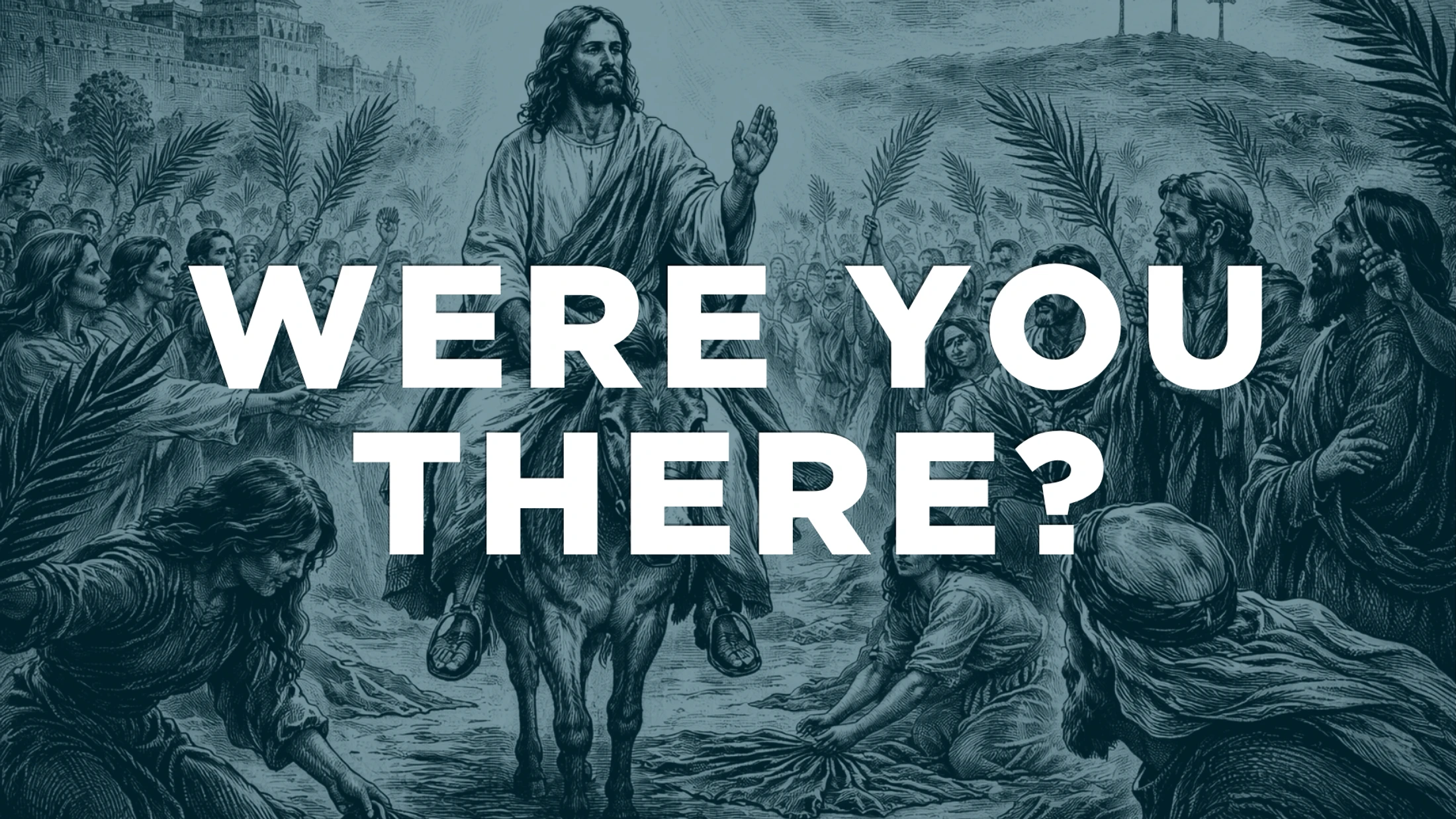
According to John 12:12-34, Jesus entered Jerusalem riding on a donkey while crowds shouted "Hosanna! Blessed is he who comes in the name of the Lord!" This wasn't a spontaneous demonstration - Jesus had carefully prepared for this moment, even arranging for the donkey in advance.
The timing was significant. This was the day when Jewish families would select their Passover lamb, and here came Jesus - the Lamb of God who would take away the sin of the world. The crowds were excited because they had heard about Jesus raising Lazarus from the dead, and many hoped he would be their earthly king.
Why Did Jesus Ride a Donkey Instead of a Horse?
Kings typically rode white horses with armies behind them, but Jesus chose a donkey. This fulfilled the prophecy in Zechariah and symbolized peace, not war. Jesus came not as a conquering military leader, but as the Prince of Peace who would bring reconciliation between God and humanity.
The palm branches (lulavs) that people waved were symbols of victory, traditionally used when kings returned from successful battles. But Jesus' victory would come through sacrifice, not conquest.
Was This Really a Triumph?
While the crowds celebrated, Jesus wept over Jerusalem. He knew that the same voices shouting "Hosanna" would soon cry "Crucify him!" He saw the destruction that would come to the city in just a few decades and grieved for those who would reject God's offer of peace.
This moment represents what we might call "the Green Mile" - a reference to the path prisoners walk to their execution. Jesus knew he was walking toward his death, yet he continued because it was the only way to bring salvation to the world.
The Visit of the Greeks
John connects the triumphal entry with another significant event: Greeks coming to see Jesus. Their simple request - "We would like to see Jesus" - signaled that the gospel was expanding beyond the Jewish community to the whole world. This was the sign Jesus had been waiting for. He declared, "The hour has come for the Son of Man to be glorified."
What Does the Gospel Paradox Mean for Us?
Jesus taught a paradox that challenges our culture's values: life comes through dying, glory comes through sacrifice, and redemption comes through suffering.
Life Through Dying
Jesus used the illustration of a grain of wheat that must fall to the ground and die to produce fruit. Unless he died on the cross, his mission would remain incomplete. Similarly, we must "die to self" - surrendering our own will to God's will - to experience true spiritual life.
Glory Through Sacrifice
Our culture tells us to look out for ourselves and be number one. But Jesus calls us to take up our cross and follow him. This doesn't mean seeking suffering, but being willing to sacrifice our comfort and convenience for God's kingdom.
The Weight of Sin
Jesus felt troubled as he approached the cross, knowing he would bear the weight of the world's sin. Imagine file cabinets filled with every wrong thing you've ever done - lies, selfishness, unforgiveness. Jesus opened each file and wrote "Forgiven" in red across every page. That's the power of the cross.
How Should We Respond This Holy Week?
As we prepare for Easter, we can follow the example of Jesus' disciples who simply obeyed when he sent them to get the donkey. They didn't understand everything, but they trusted and acted.
Do What Jesus Says
God may be calling you to deeper faith, genuine repentance, public commitment to Christ, forgiveness of someone who hurt you, or service to others in need. Listen for his voice and obey.
Feel What Jesus Feels
Jesus wept over Jerusalem with deep, sobbing grief. Do we grieve for those who are hurting and don't know Christ? Let your heart break for colleagues, neighbors, family members, and friends who need to experience God's forgiveness and peace.
Tell Who Jesus Is
Jesus isn't just a good teacher or moral example. He is the Savior of the world, the one who forgives sin, the Lord of life, and the King of Kings. Share this good news with others.
Life Application
This week, as we journey toward Easter, challenge yourself to walk your own "green mile" of obedience to Christ. Just as Jesus willingly walked toward the cross knowing the cost, we're called to follow him even when it's difficult.
Consider these questions as you prepare your heart for Easter:
- What is God asking you to surrender or sacrifice for his kingdom this week?
- Who in your life needs to hear about Jesus' love and forgiveness?
- How can you show Christ's compassion to someone who is hurting?
- What step of obedience have you been avoiding that God wants you to take?
The same power that raised Jesus from the dead is available to transform your life. Don't let this Holy Week pass without allowing God to work deeply in your heart, preparing you to celebrate the victory of Easter with genuine joy and renewed commitment to follow the King of Kings.